
Education
Rigid or Flexible?
Both come from the same broad polyurethane chemistry. The difference lies in how the cells are formed — and that difference decides where each system belongs.
The Fundamental Difference
Closed Cells Insulate.Open Cells Cushion.
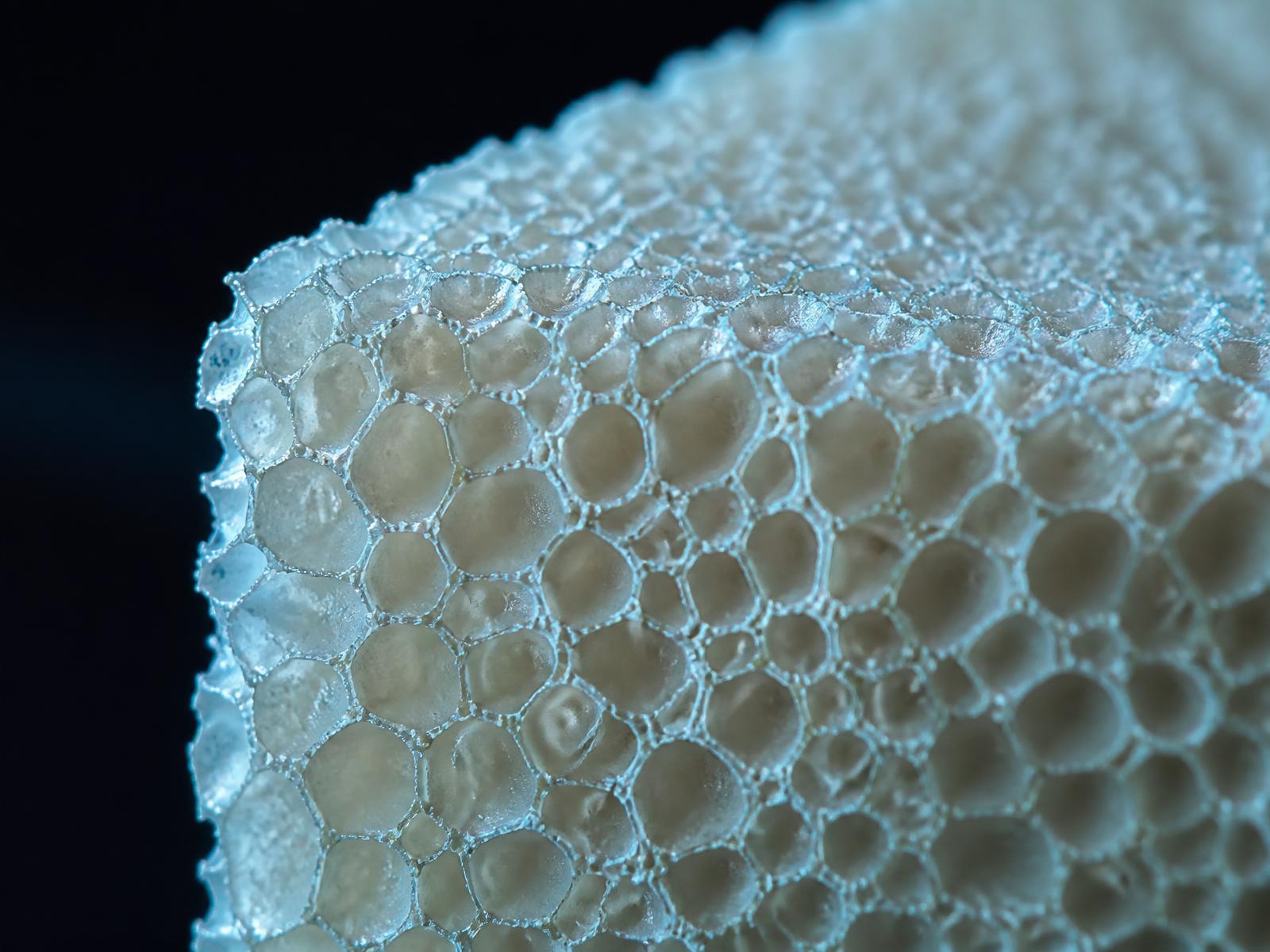
In rigid foam the cells are sealed, trapping gas and holding shape. In flexible foam the cells are open, so the structure compresses and recovers.
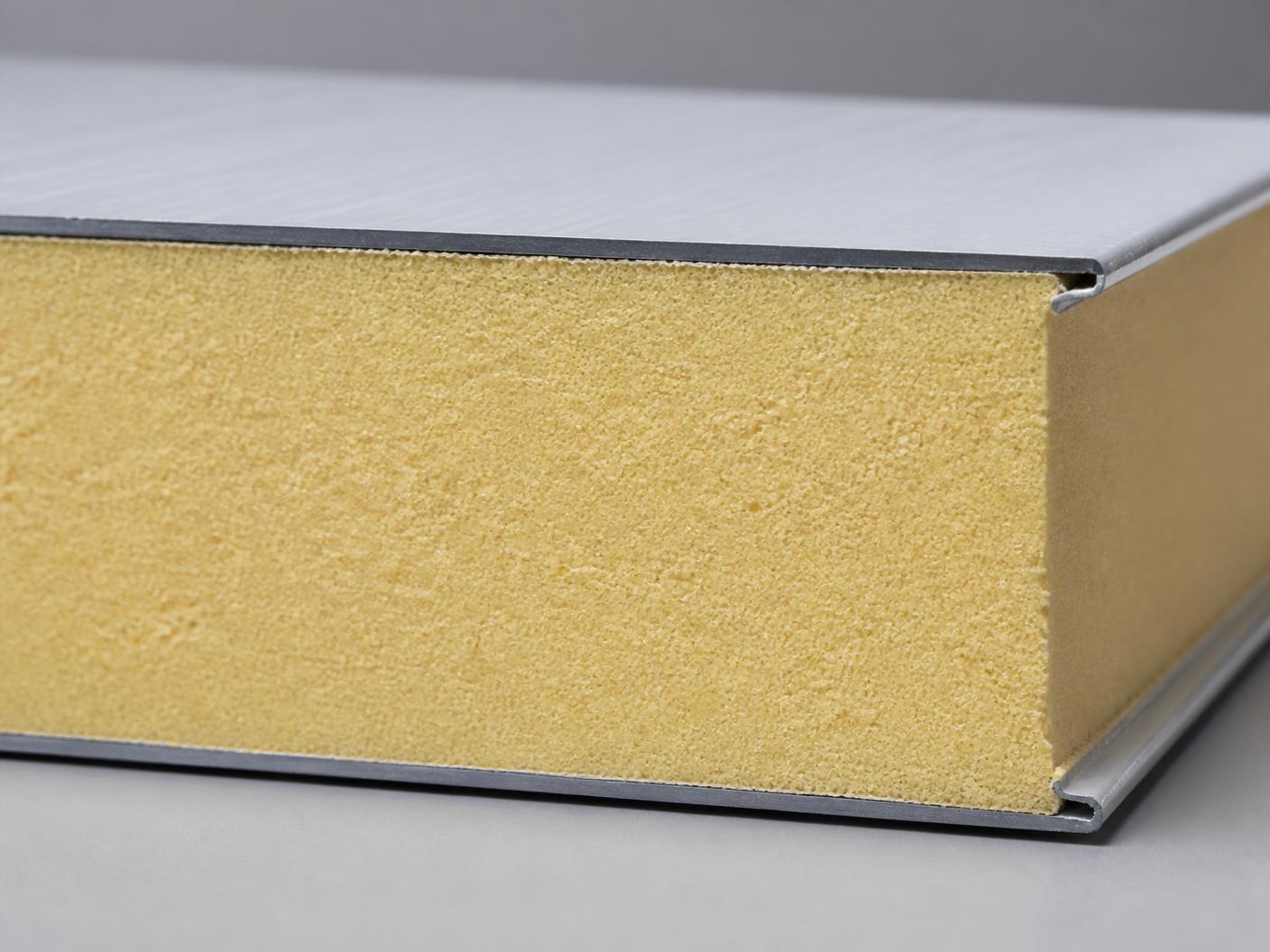
Closed Cell
Rigid
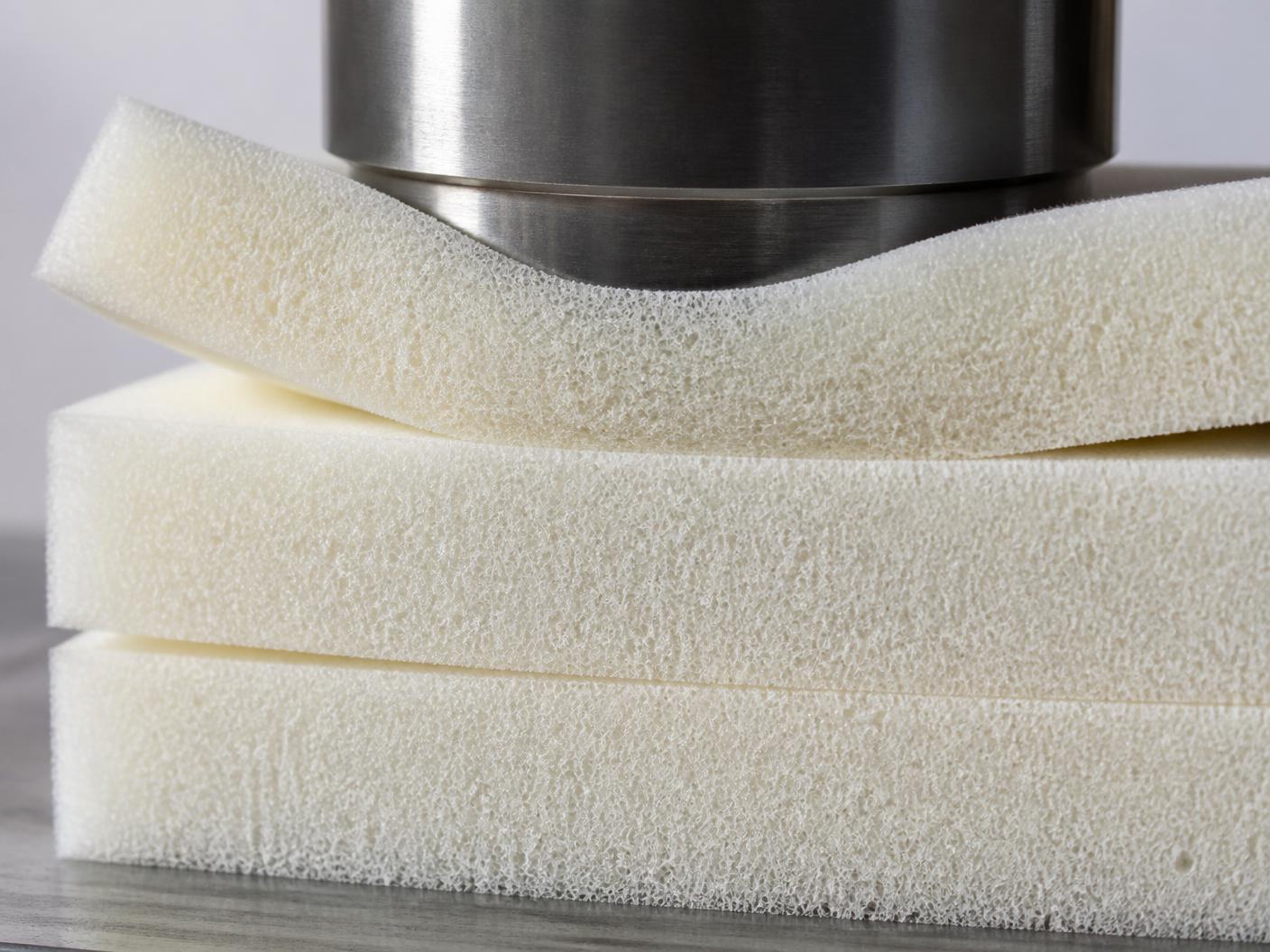
Open Cell
Flexible
Side by Side
Comparethe Two Systems.
- Structure
- RigidPredominantly closed cells, forming a hard and dense network.
- FlexiblePredominantly open, interconnected cells that allow air to move.
- Typical Characteristics
- RigidThermal insulation, structural characteristics, dimensional stability.
- FlexibleCushioning, comfort, flexibility, resilience under repeated load.
- Typical Applications
- RigidInsulated panels, appliance cabinets, cold rooms, pipe insulation.
- FlexibleSeat cushions, mattress cores and comfort layers, interior padding.
- Industries
- RigidConstruction, refrigeration, cold storage, industrial applications.
- FlexibleFurniture, mattresses and bedding, automotive, footwear, sports and fitness.
- Examples of Use
- RigidA refrigerator cabinet wall; an insulated roof panel.
- FlexibleA sofa cushion; a mattress comfort layer; a vehicle headrest.
Request a Quote
Not Sure Which System You Need?
Tell us about your application and we will work with our international partners to identify a suitable polyurethane system.